Yalung Nong Peak Expedition (6,050m)

Moderate to Easy Climb

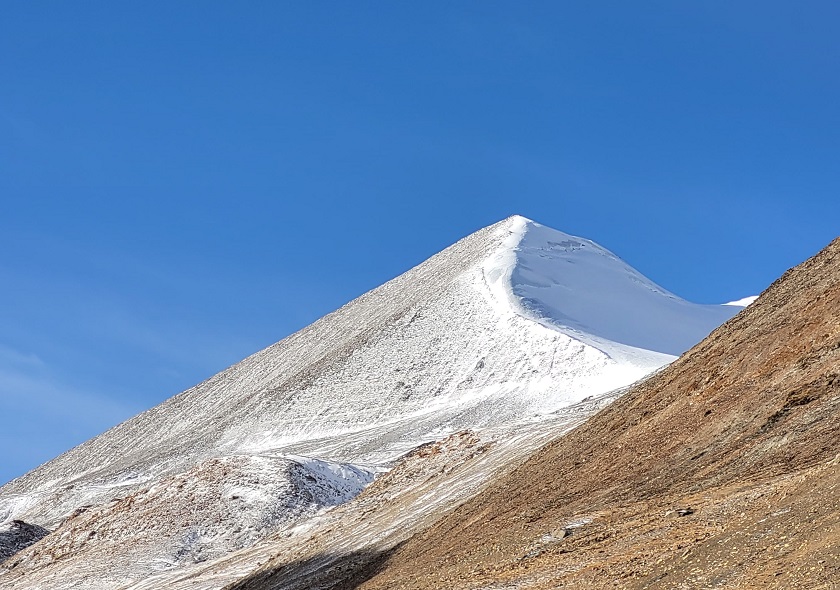
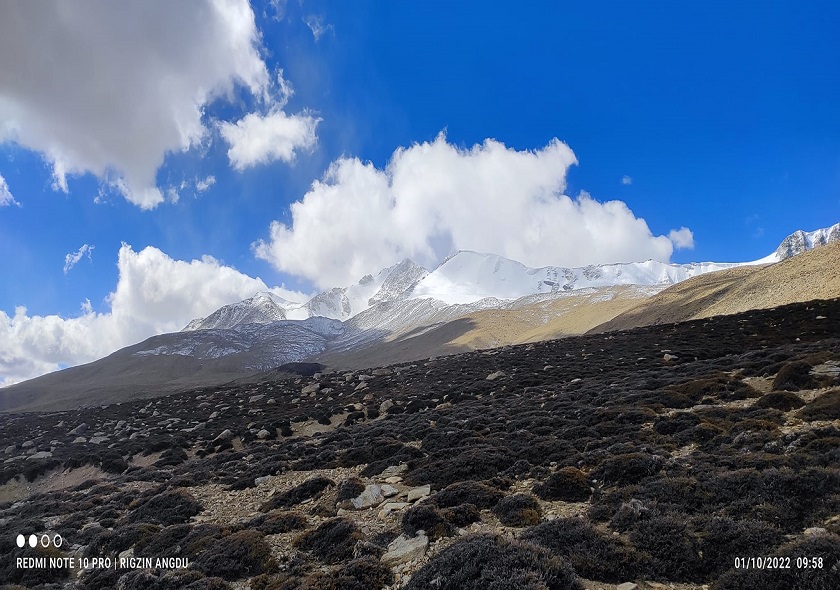
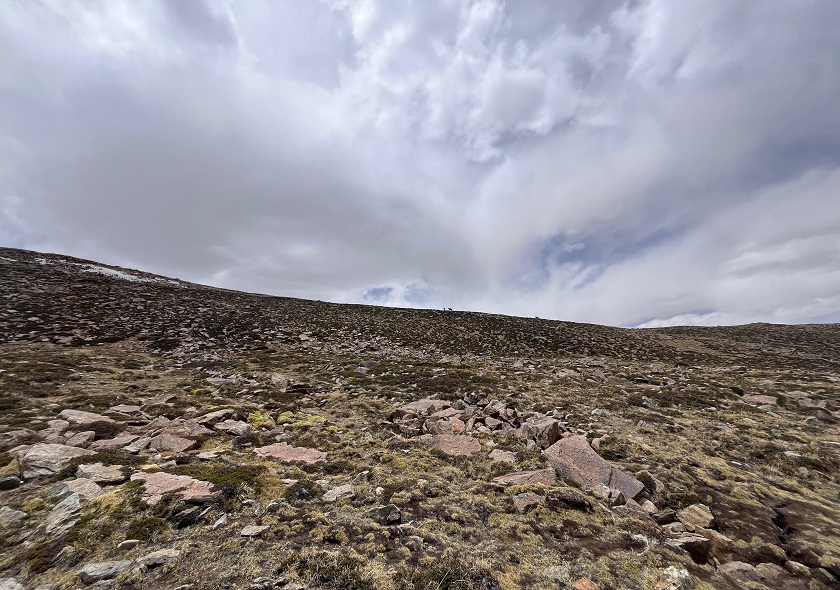
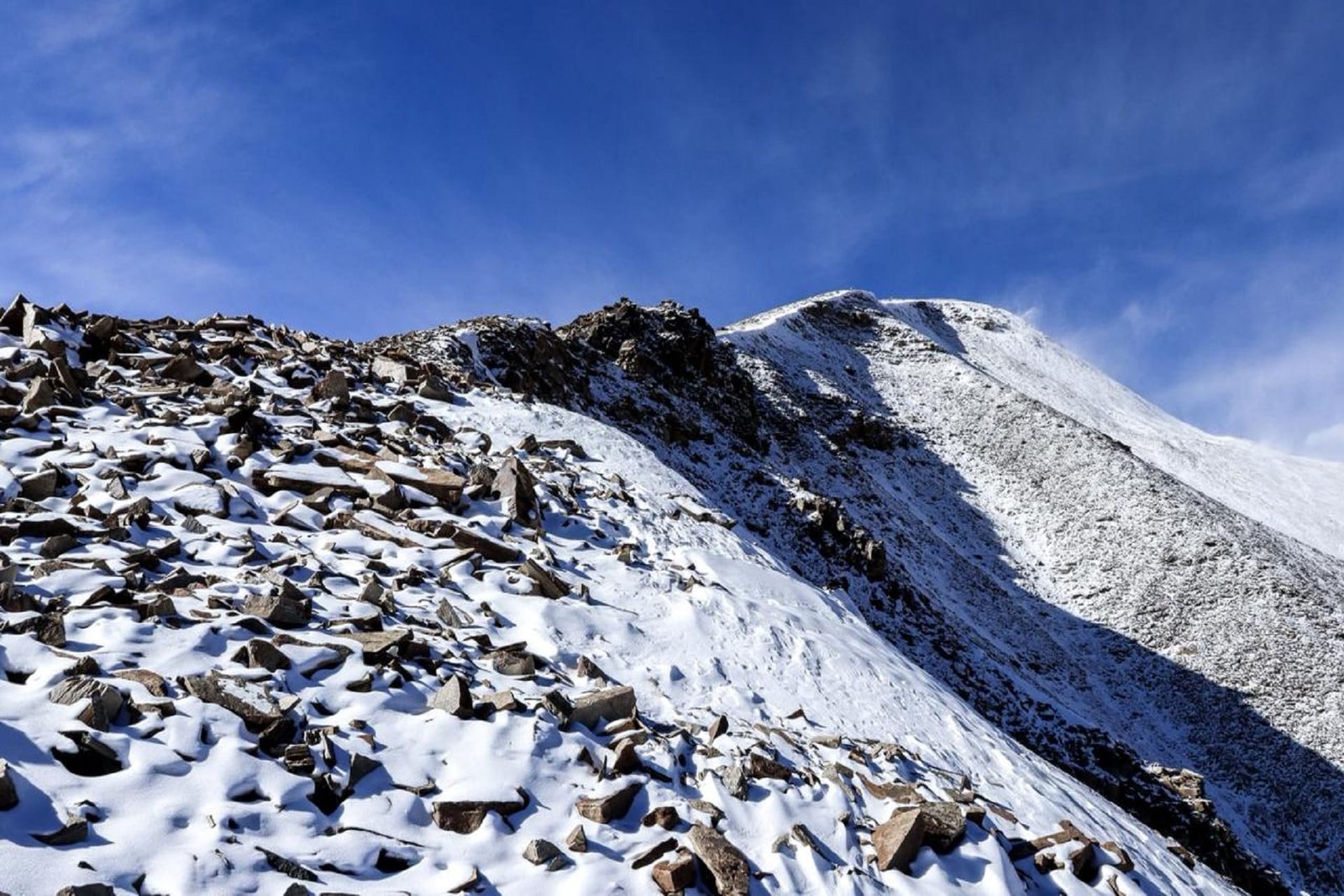
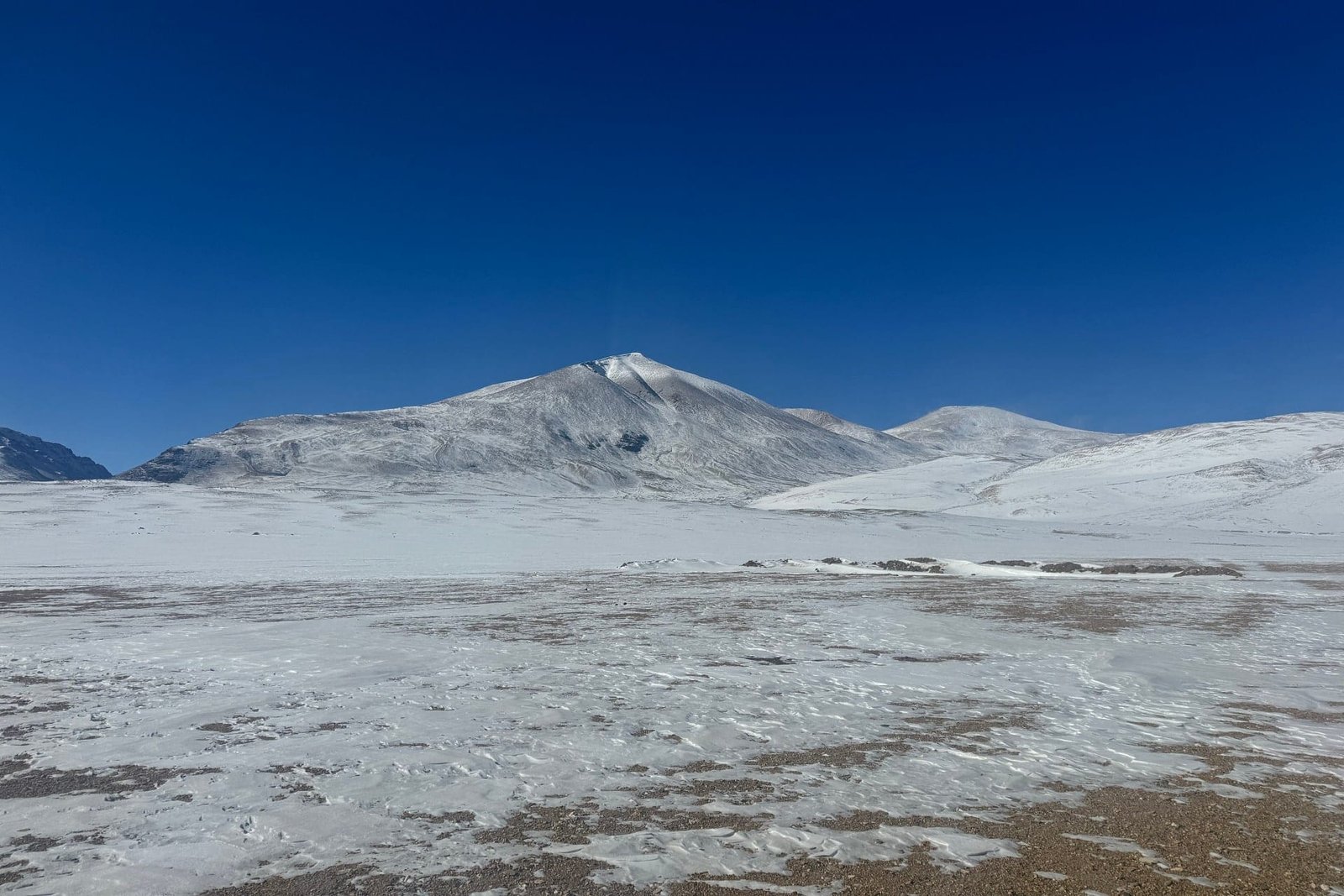
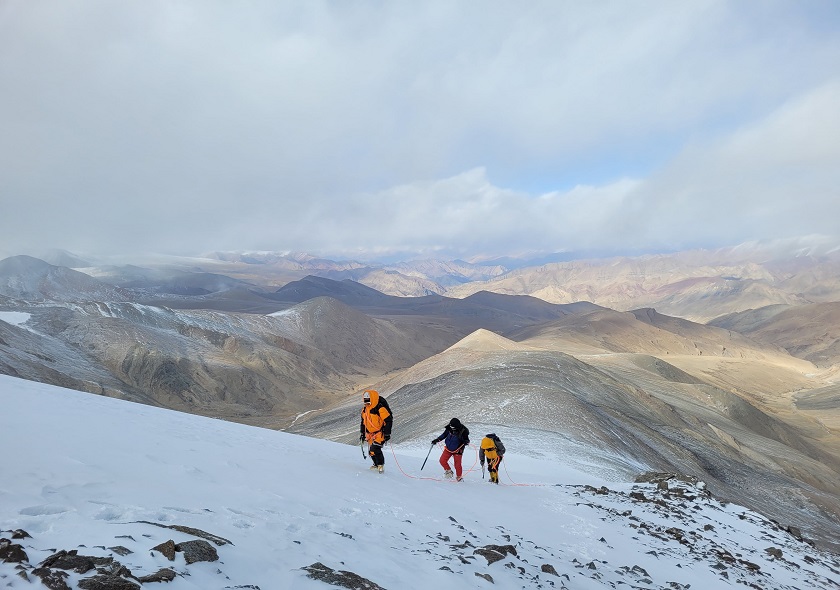
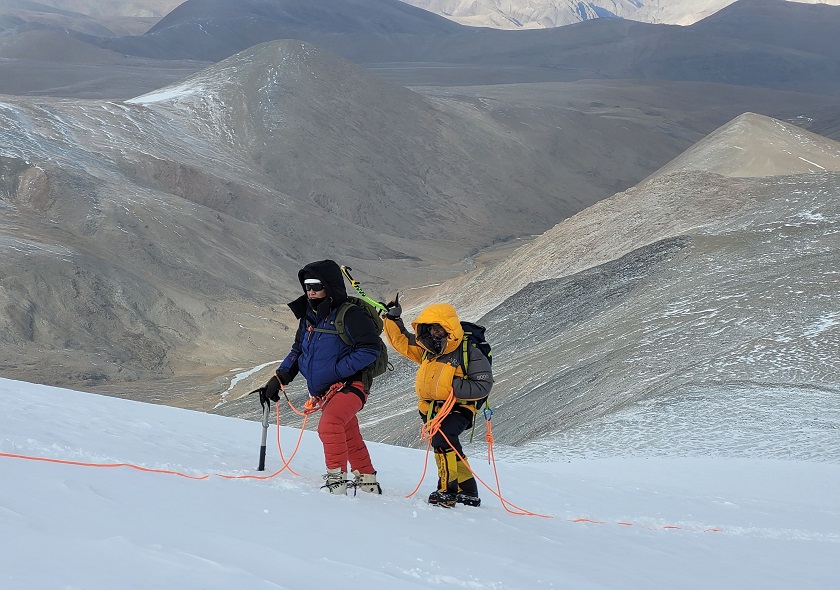
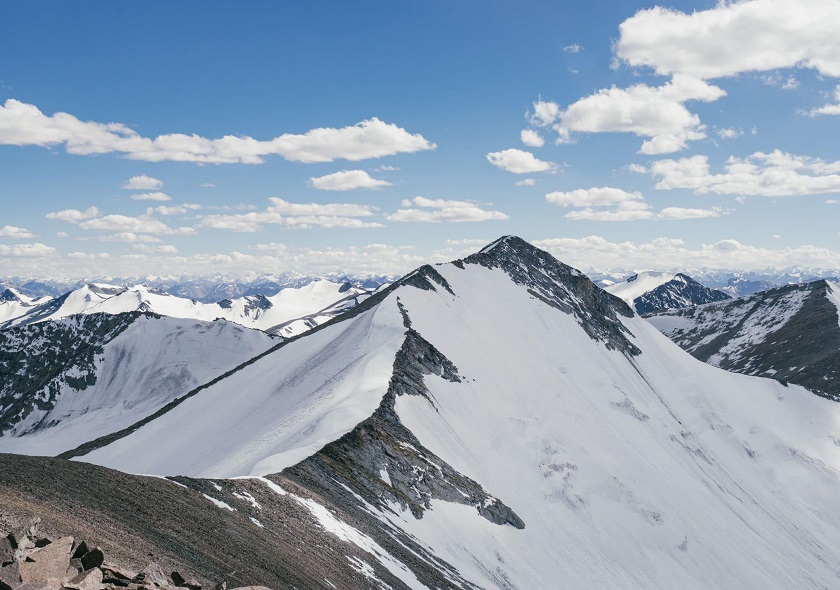
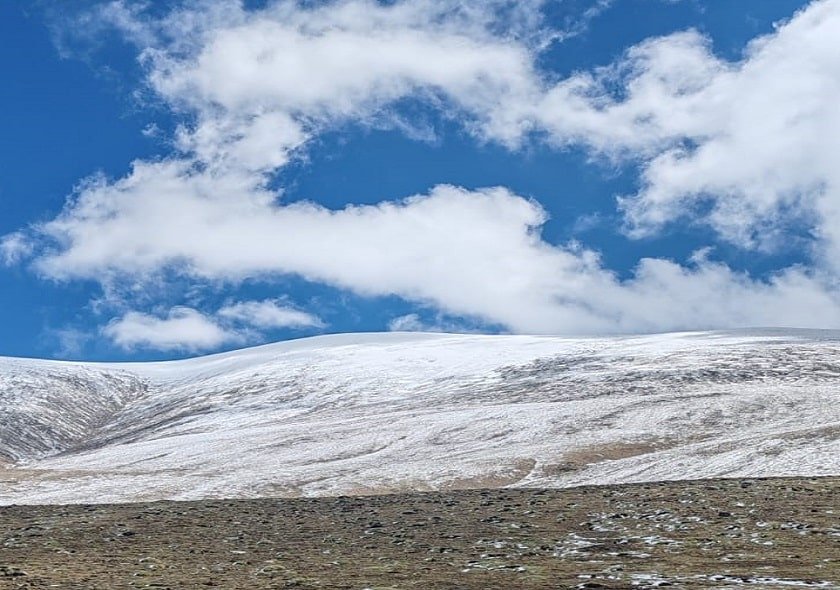
The Yalung Nong Peak Expedition is a very special high-altitude journey made for people who want to climb their first 6000m peak in India. This beautiful peak stands at 6,050 meters high in the wild Changthang area of Eastern Ladakh. Doing the Yalung Nong Trek Ladakh is a main expedition that gives you the perfect step from simple trekking in Ladakh to real mountain climbing. It is known as one of the best 6000m peaks in Ladakh because the climb is not technical. You do not need hard rope climbing, special ice axes, or heavy boots. It is just a long, steady walk up a big mountain ridge. It is the perfect place to see how your body feels at high altitude before you try our harder Kang Yatse II Expeditions.

Our journey starts in Leh town at 3,500 meters. The mountain air here is very thin, so we keep you for a full 48-hour acclimatization rest block in the hotel. This is very important so your body can make more red blood cells and you do not get sick. After resting, we start walking in the deep valleys of Hemis National Park. We pass the green fields of Rumbak village and then climb over the big Stok La pass at 4,900 meters. This teaches your lungs how to breathe the thin air before we go to the very high desert plains.

Next, our car drives over the famous Taglang La pass at 5,328 meters and enters the massive area for our Rupshu valley trek. Here, the mountains look like a giant brown desert, just like Tibet. In this wild place, you will meet the Changpa nomadic people. They are very friendly and live in traditional black tents made of yak hair, moving with thousands of sheep and goats that make the famous Pashmina wool.

We trek past the beautiful white salt shores of Tso Kar Lake. This place is like a paradise for wild animals. You can easily see the Kiang (Tibetan wild asses) running fast, fat marmots playing, and beautiful cranes. We cross three high passes—Horlam La, Kyamayuri La, and Kartse La—to reach our high camp in Gyama valley.

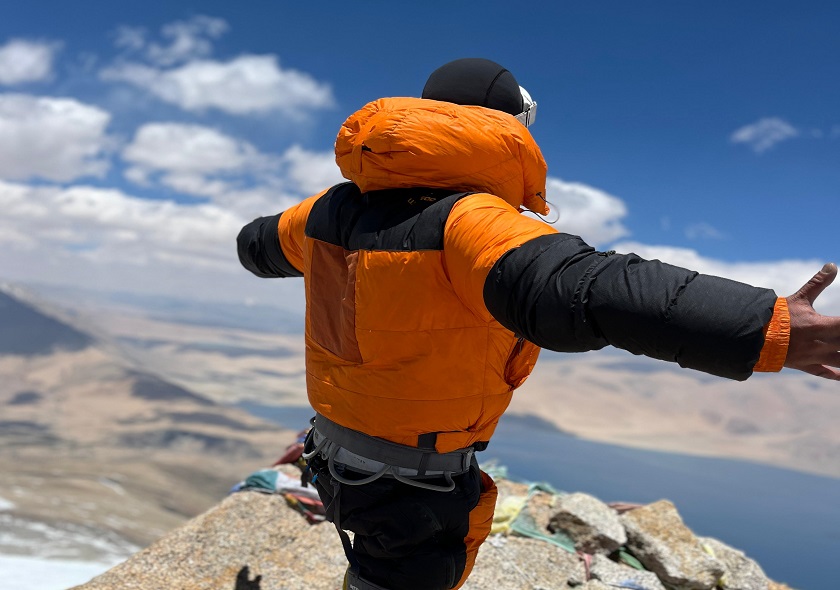
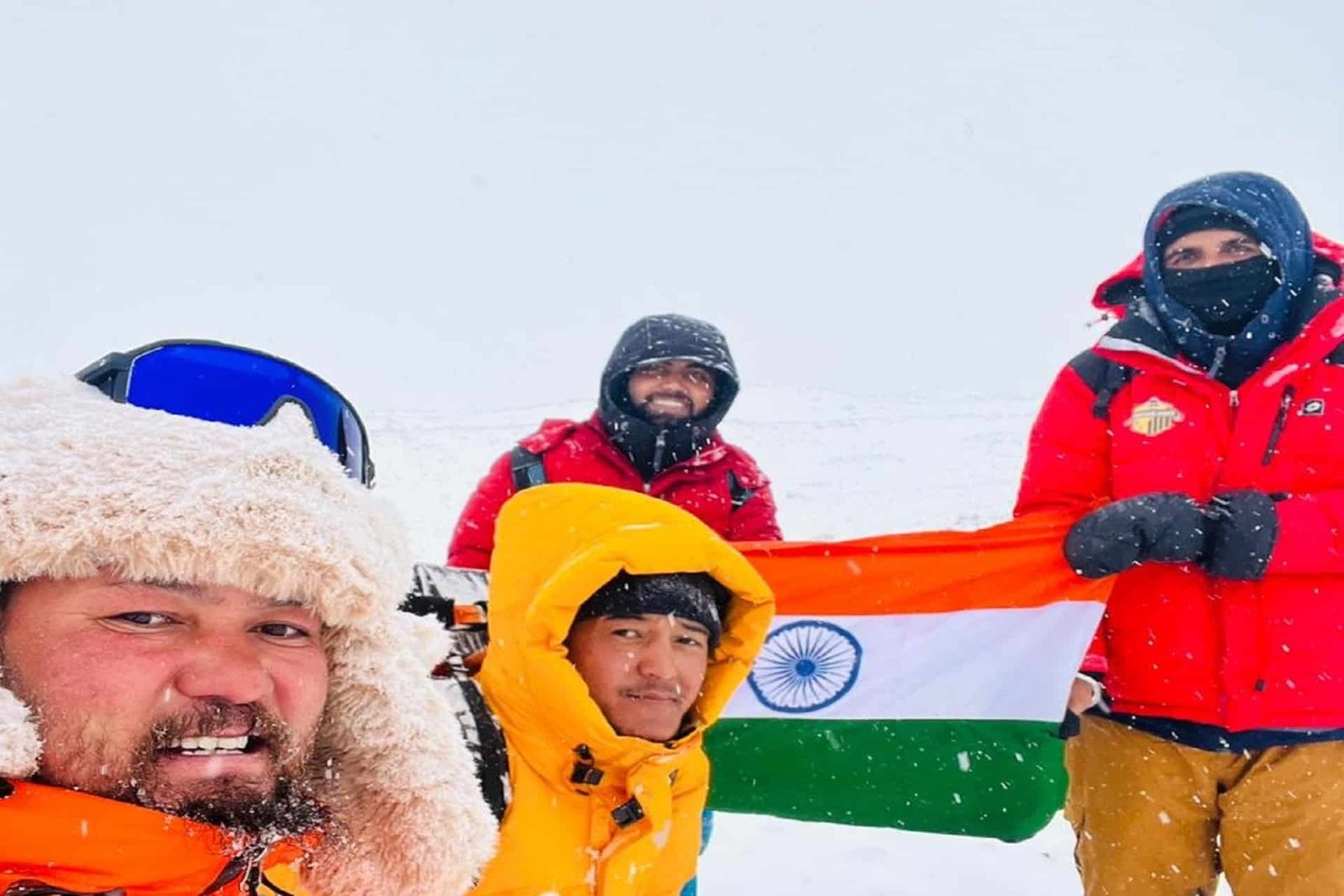
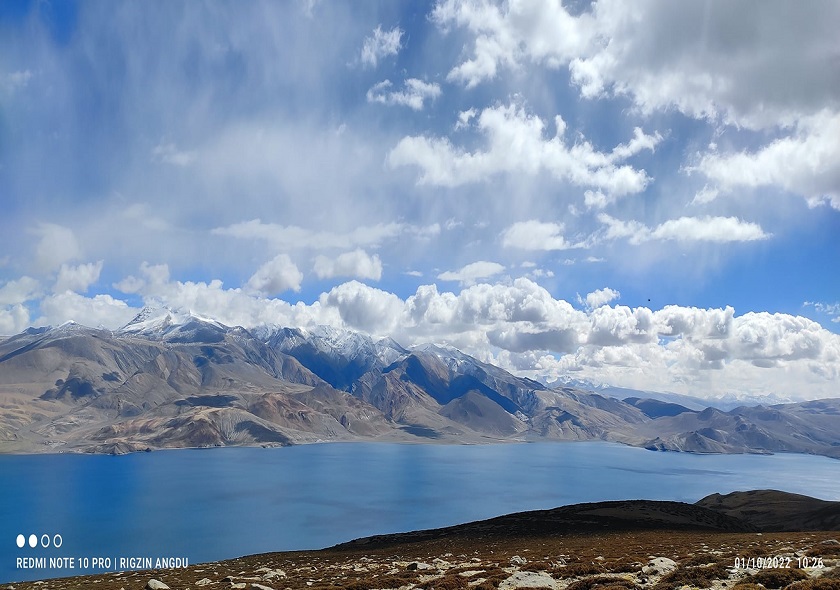
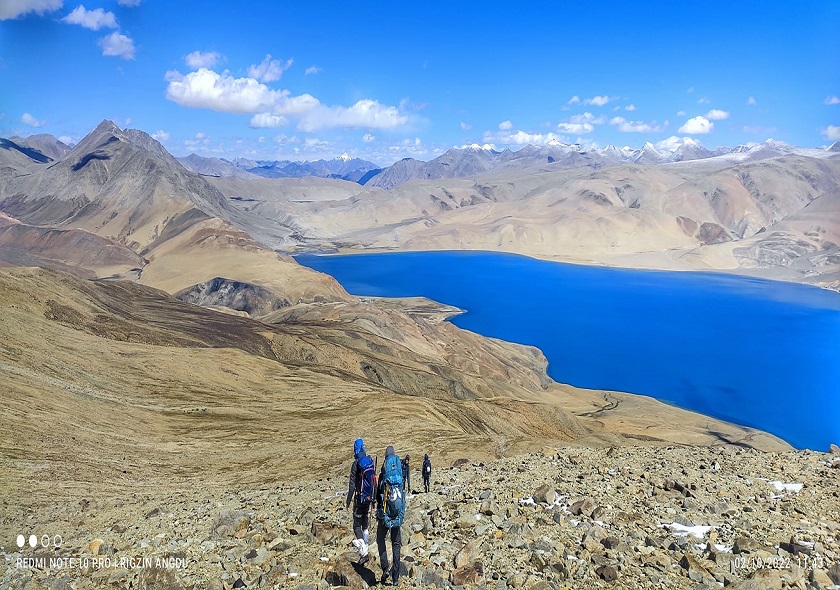
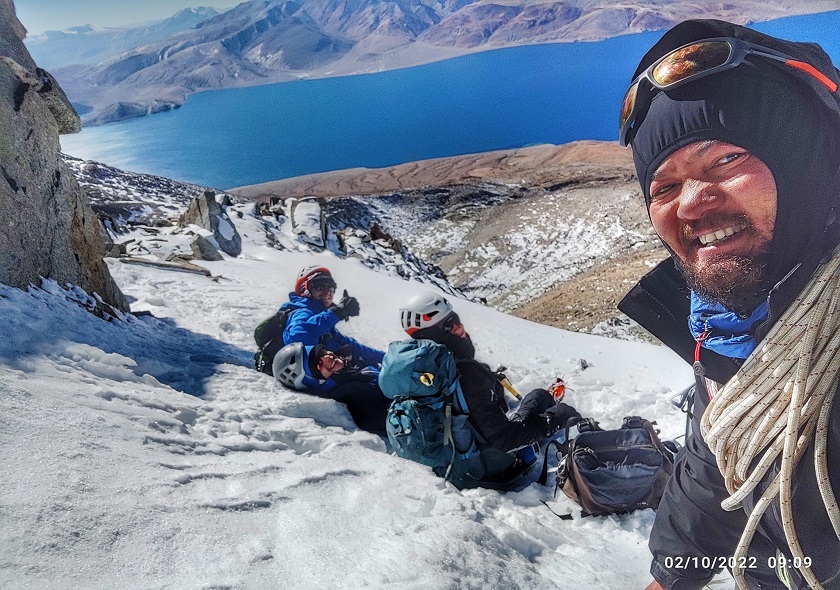
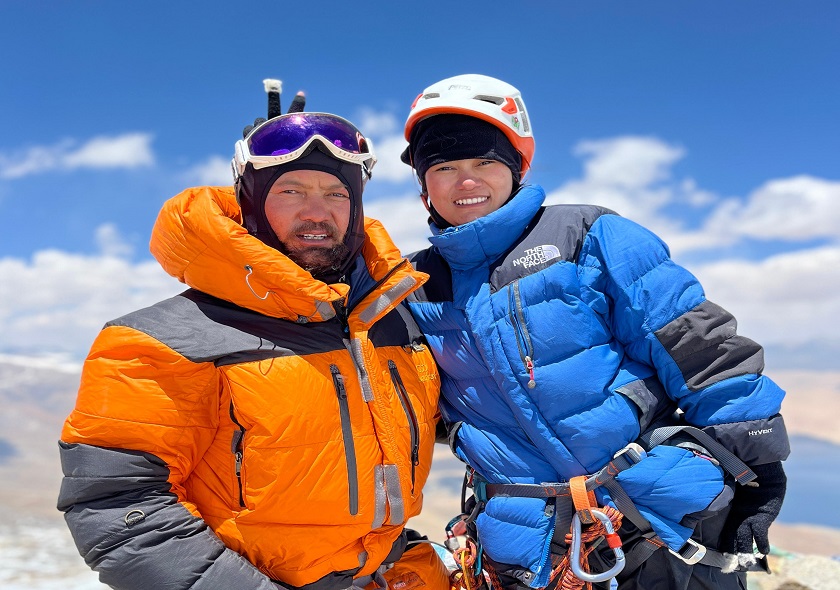
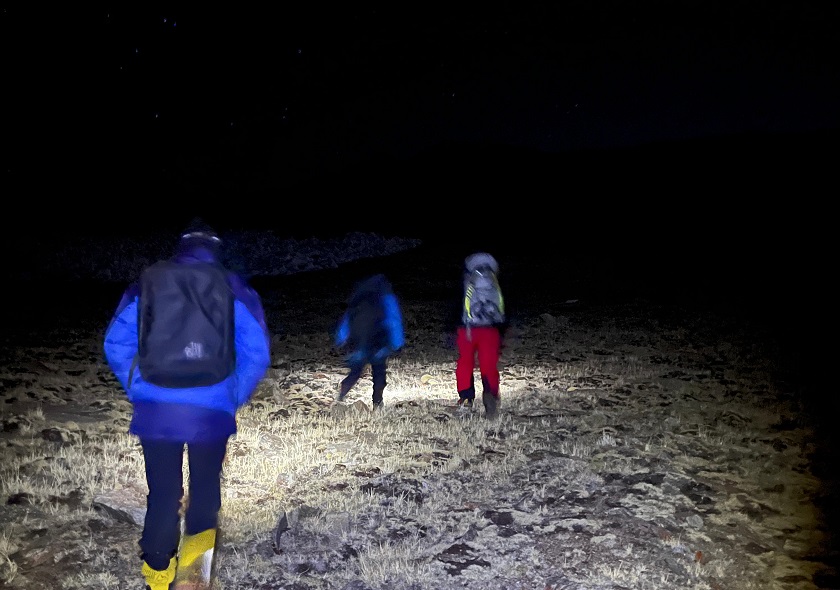
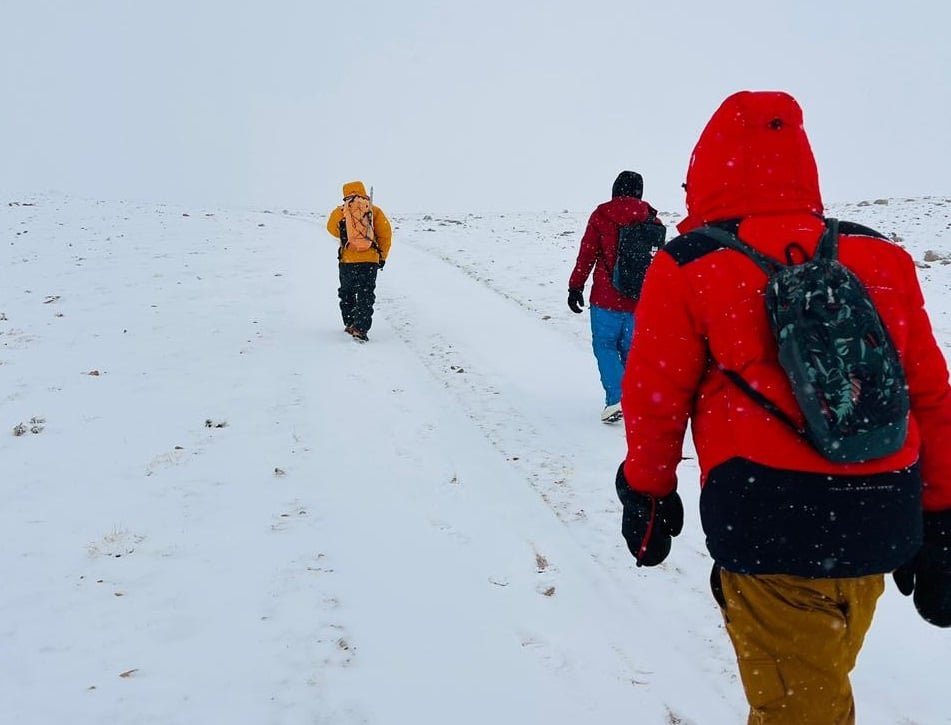
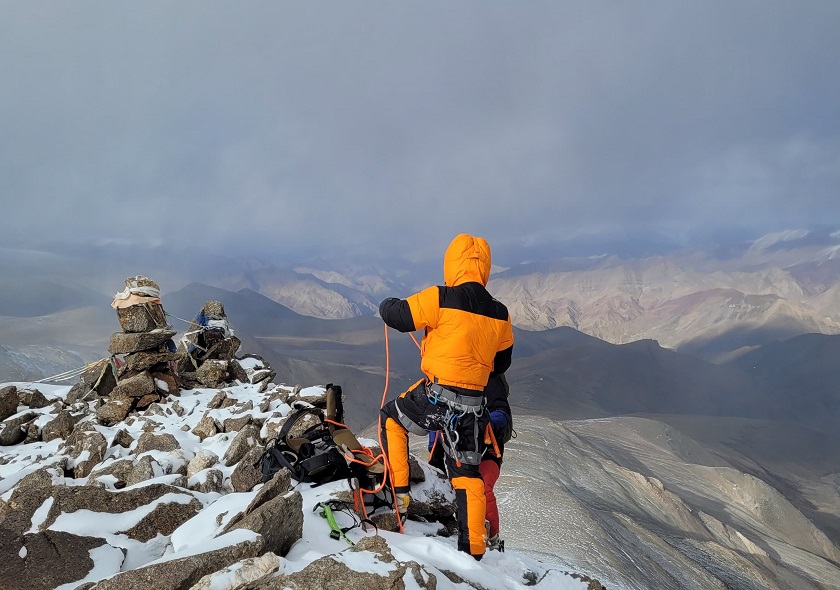
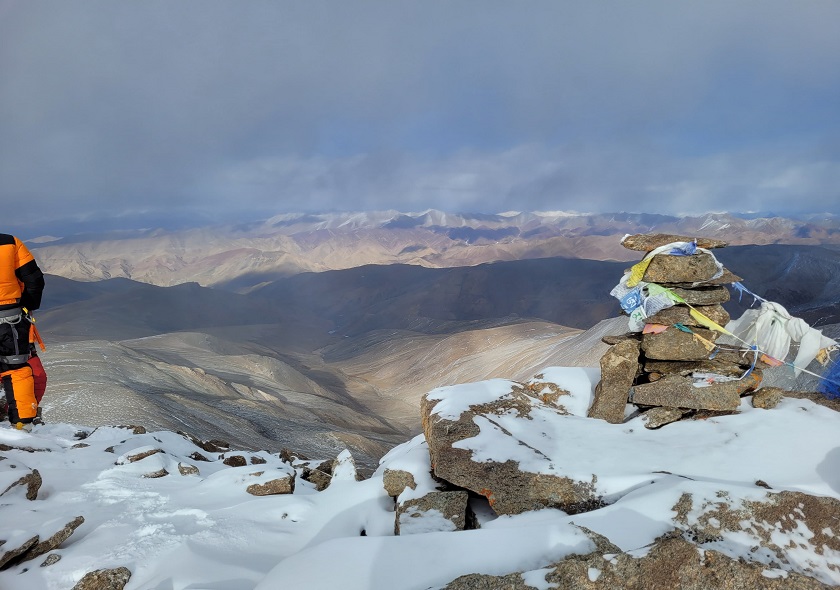
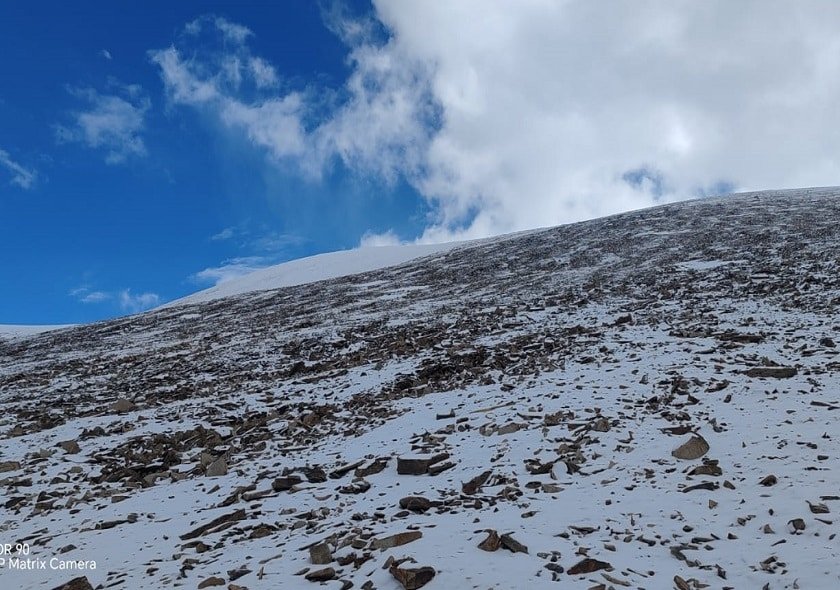
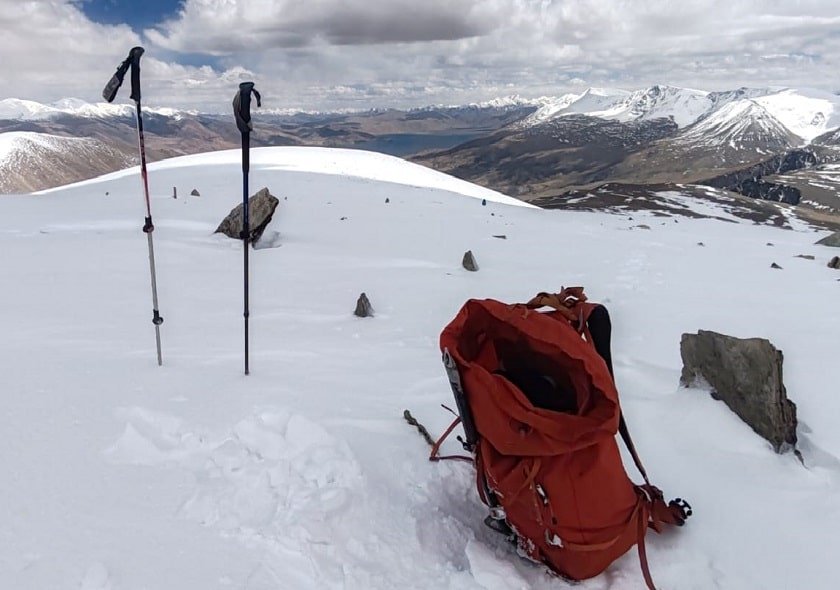
On the summit day, we wake up at 4:00 AM under a sky full of bright stars. The air is very freezing, and every step takes a lot of energy. But the path is safe and wide. When you finally stand on top of Yalung Nong Peak at 6,050 meters, you will feel like a king. Right below your feet, you will see the magical blue water of Tso Moriri Lake, which is a famous Ramsar Wetland. This grand view is why Tso Moriri trekking is so famous all over the world. We then walk down to Korzok village and drive back to Leh with a big smile and a lifetime memory.

Trip Itinerary

Distance: 0 km | Time: Resting | Altitude Gain: +3,500m from sea level

Your expedition begins with a spectacular flight over the frozen wave crests of the high Himalayas, touching down at the high-altitude airstrip in Leh. The dry, crisp air at 3,500 meters requires immediate respect. The entire morning is dedicated to strict rest and hydration in your hotel room to let your body adjust to the thin air. In the late afternoon, enjoy a very gentle stroll through the bustling cobblestone paths of the Leh Main Market, followed by a quiet sunset visit to the white dome of Shanti Stupa, which overlooks the vast Indus Valley.

Distance: 0 km | Time: Light Sightseeing | Altitude: 3,500m

A full day dedicated entirely to acclimatization, which is a critical safety protocol before heading into the Changthang plateau. Spend the morning resting at your hotel and hydrating. In the afternoon, you can take a light, unhurried sightseeing drive to the nearby historic monasteries of Shey or Thiksey. The goal today is active recovery—keeping the body moving gently without overexerting, ensuring your blood oxygen levels adjust properly to the altitude.

Distance: 7 km | Time: 3-4 Hours | Altitude Gain: +500m elevation

After an early breakfast, we take a short 7 km drive past the Spituk Monastery, watching the Indus River cut through the stark, rocky floor. We leave the vehicles at the mouth of the Zingchen gorge. The trail introduces you to the classic Hemis National Park landscape: narrow, sun-baked canyons, dramatic limestone cliffs, and dry stream beds. The path climbs gently and steadily on a well-defined trail, eventually opening up into the striking green barley fields and willow groves of Rumbak village—a vibrant oasis cradled by the massive Stok mountain range.

Distance: 12 km | Time: 5-6 Hours | Altitude Peak: 4,900m (Sleep at 3,500m)

Today is a vital acclimatization test. Leaving camp, the trail winds upward, growing steeper as it switchbacks toward the crest of the Stok La pass (4,900m). The landscape turns surreal here—surrounded by jagged, multicolored rock cathedrals in shades of deep purple, ochre, and rust, a known habitat for the elusive snow leopard. Reaching the top, you are rewarded with sweeping views of the Stok Kangri massif. The initial descent is sharp and technical, contouring through two sweeping valleys before flattening out along the riverbed toward Stok Village. Here, we visit the historic Stok Palace Museum before driving back to Leh for a comfortable night's rest.

Distance: 150 km drive | Time: 5-6 Hours drive | Altitude Gain: +1,080m

We leave the Indus Valley behind, driving past the grand monasteries of Shey and Thiksey before tracking up into the mountains. The road twists up the legendary Taglang La pass—the second-highest motorable pass in the world at 5,328 meters—where prayer flags snap wildly in the freezing wind. Descending the other side, the jagged peaks give way to the immense, rolling plains of the Rupshu plateau. We arrive at Pangunagu near the shores of Tso Kar, a vast, brackish lake ringed by white, salt-crusted marshes and low, rolling hills.

Distance: 15 km | Time: 5-6 Hours | Altitude Gain: +70m

A flat, expansive, and deeply peaceful trekking day. The trail traces the eastern shores of Tso Kar Lake, across vast sand flats where the sky feels infinitely large. The landscape is an alpine desert steppe, home to rare black-necked cranes, ruddy shelducks, and herds of Kiang (Tibetan wild ass) galloping across the horizons. Toward the end of the day, the trail turns away from the lake, following a gentle stream into the small, remote pastoral settlement of Nuruchan.

Distance: 13 km | Time: 4-5 Hours | Altitude Gain: +290m

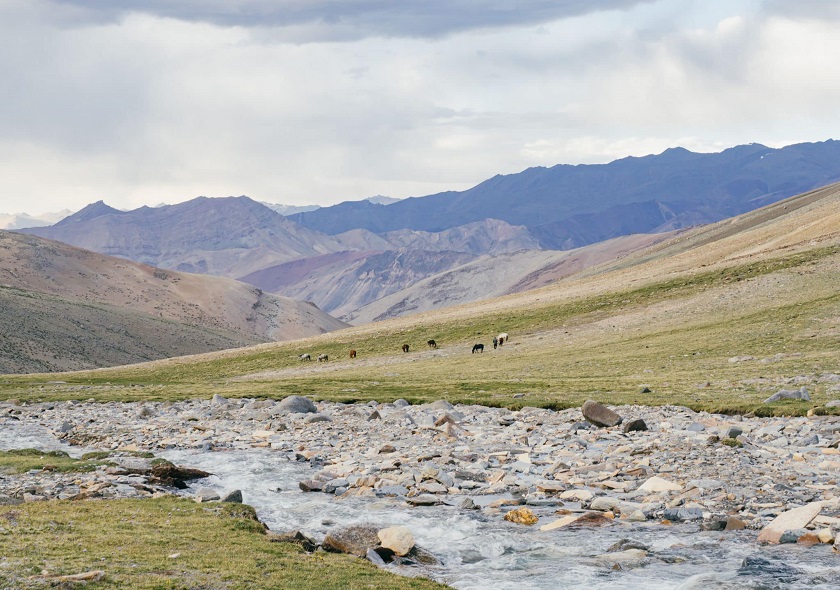
The trek shifts into higher nomadic territory today. We begin with a gradual, steady ascent through a wide, gravelly valley up to the broad saddle of the Horlam La pass (4,900m). The climb is physically demanding due to the altitude but technically straightforward. From the pass, we drop gently into the beautiful, wide-open valley of Rachungkaru. This area is a bustling summer camp for Changpa nomads and Tibetan refugees, who live in traditional yak-hair tents (Rebo) surrounded by thousands of yaks, sheep, and valuable Pashmina goats.

Distance: 16 km | Time: 6-7 Hours | Altitude Peak: 5,430m

This is the most strenuous trekking day on the approach, crossing two distinct high-altitude passes. We climb steadily out of Rachungkaru up to the Kyamayuri La pass (5,430m), where the thin air makes every step deliberate. The views from the top span across an endless sea of rolling, high-altitude ridges. A short descent brings us to a high plateau before we ascend once more over the Kartse La pass (5,380m). From here, the path drops easily into the wide, emerald-green summer pastures of Gyama, a pristine valley isolated from the modern world.

Distance: 14 km | Time: 8-9 Hours | Altitude Gain/Loss: +880m / -880m

The defining moment of the expedition. An alpine start under a brilliant blanket of stars, leaving camp around 4:00 AM. The route follows a long, continuous, and steady ridge line. There is no technical ice or vertical rock work, but the sustained angle and extreme altitude require mental toughness and a rhythmic pace. As the morning sun lights up the Changthang, you step onto the massive summit plateau of Yalung Nong Peak at 6,050 meters. Below you, the stunning, vibrant blue expanse of Tso Moriri Lake stretches across the landscape. After celebrating at the summit, we carefully retrace our steps down the long ridge to the safety of our Gyama camp.

Distance: 14 km | Time: 6-7 Hours | Altitude Loss: -570m

Our final day on foot takes us out of the high pastures. We conquer our final pass, the Yalung Nyau La (5,440m). As you crest the ridge, the 20-kilometer-long, deep turquoise eye of Tso Moriri Lake reveals itself completely, framed by snow-capped peaks on the horizon. The descent is long, sandy, and knee-jarring, passing colonies of whistling Himalayan marmots. The trail levels out as we reach Korzok Phu, one of the largest and most vibrant nomadic winter settlements in Ladakh.

Distance: 220 km drive | Time: 6-7 Hours drive | Altitude Loss: -900m

We say goodbye to the nomadic highlands and board our mountain vehicles. The rugged road follows the charging Indus River through deep, dramatic gorges, passing the geothermal hot springs of Puga and the small junction town of Chumathang. As the valley opens back up, the air grows thicker and warmer, bringing you back to the comforts of your hotel in Leh for a long-awaited hot shower.

Distance: Optional 80 km drive | Time: Flexible | Altitude: 3,500m

A built-in contingency day to account for any weather delays on the mountain. You can use this day to rest your legs, buy authentic pashmina shawls and local apricot jams at the Tibetan markets, or take an optional morning drive up to the snow-covered heights of Khardung La (5,602m). Gather for a final farewell dinner with your expedition crew.

Distance: Transfer to Airport | Time: 1 Hour flight | Altitude Loss: Return to low altitude

Our team transfers you early in the morning to the Kushok Bakula Rimpochee Airport. As your flight climbs away from the runway, look out the window to catch one last look at the sprawling Ladakh ranges you successfully climbed and explored.

Climb Inclusions

  • Transports: All ground transfers in private mountain vehicles from Leh airport pickup to drop-off, including all sightseeing routes specified in the itinerary.
  • Accommodation: 5 nights hotel stay in Leh (with breakfast/CP plan), 1 night authentic village homestay, and 6 nights premium high-altitude camping.
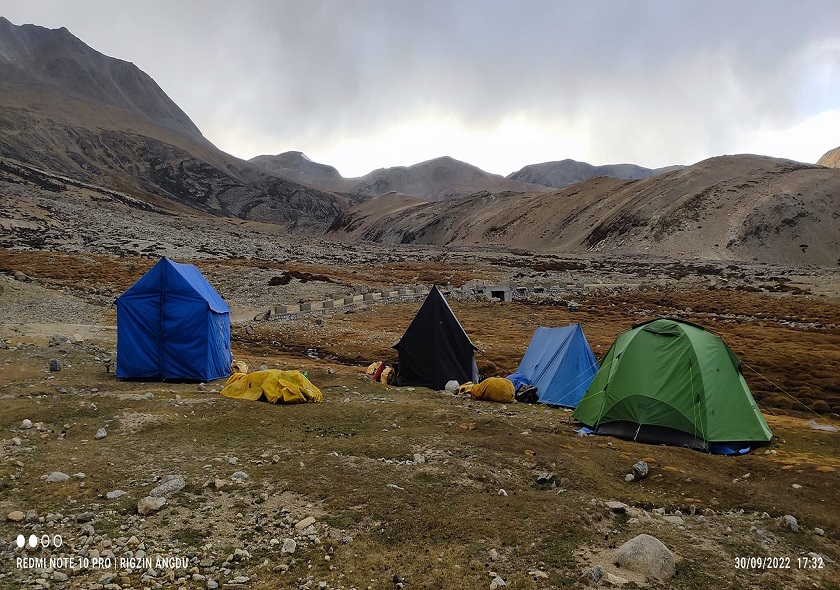
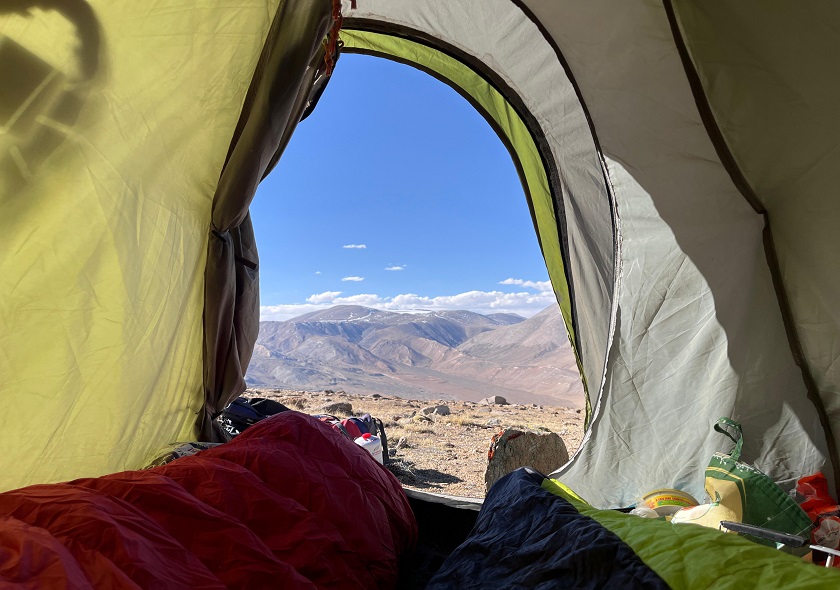
  • Camping Infrastructure: 3-man spacious, 4-season tents (configured for dual occupancy), sub-zero sleeping bags, foam insulation mattresses, dedicated dining/kitchen tents and trekking poles.
  • Meals: Complete high-altitude nutritional menu during the trek (from morning bed-tea to 3-course dinners), spanning freshly prepared Indian, Ladakhi, Tibetan, and Continental options.
  • Expedition Crew: Certified local trekking guides, professional camp cooks, and supporting camp hands.
  • Logistics & Permits: Pack horses/mules for transporting all collective camping gear and personal luggage. All local camping fees, wildlife inner-line permits, and environmental fees.
  • Safety Matrix: Professional medical first-aid kits and emergency oxygen management.

Climb Exclusions

  • Domestic flights (Delhi – Leh – Delhi).
  • Pre/post-expedition accommodation outside of Leh.
  • Emergency evacuation insurance, personal travel insurance, and medical expenses.
  • Monastery entrance fees and camera tickets during cultural sightseeing days.
  • Personal clothing, technical personal layered clothing, or specialized toiletries.
  • Alcoholic drinks, soft beverages, or bottled mineral water.
  • Tips for the guides, kitchen crew, horsemen, and drivers.
  • Extra costs incurred due to natural road blocks, avalanches, flight cancellations, or weather delays.

Peak Expedition Fitness Check

Check if you are physically ready for the Ladakh heights.

NEED HELP?

Our expedition experts are available to answer your questions and help you prepare.

WA Message on WhatsApp

Enquiry Now

Trip Query

Tour Information

Max Guests

8

Min Age

18+

Languages Spoke